Join organic farmers, researchers, policy leaders, and advocates in the “Organic Food Bowl of the Philippines” for the premier triennial gathering of the global organic movement. Together, we will share innovations, strengthen climate-resilient farming systems, and elevate regenerative agriculture worldwide.
Lorem Ipsum is simply dummy text of the printing and typesetting industry. Lorem Ipsum has been the industry's standard dummy text ever since the 1500s

The worldwide umbrella organization for the organic agriculture movement, representing hundreds of affiliates across more than 100 countries. Founded in 1972, IFOAM leads and unites the global organic sector by setting international farming standards, advocating for sustainable agricultural policies, and promoting ecological farming systems that support biodiversity, environmental health, and global food security.

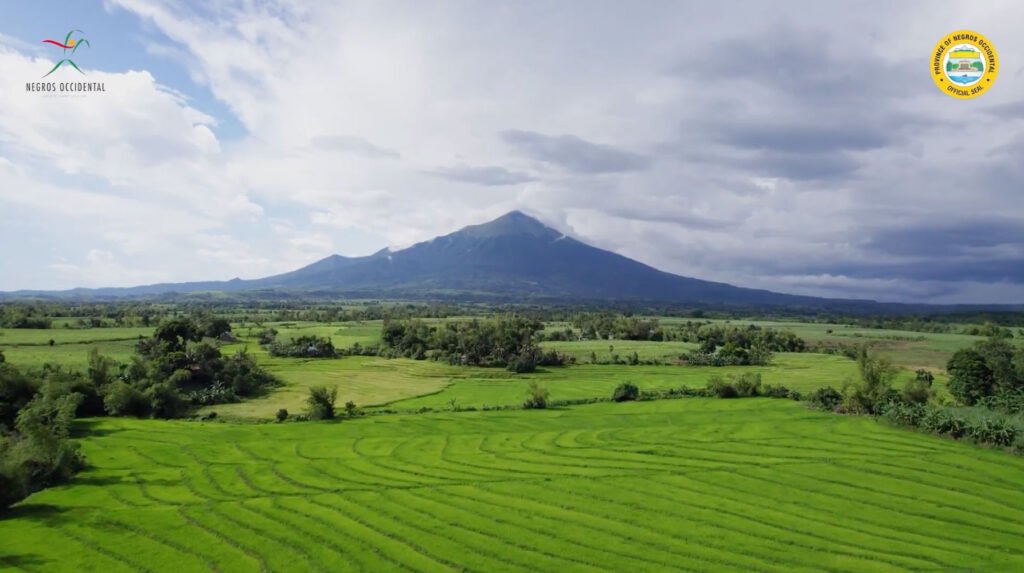
A province in the Western Visayas region traditionally known as the nation's sugar producer, but now widely recognized as the "Organic Agriculture Capital of the Philippines". The province is a pioneer in sustainable farming, dedicating at least 16,000 hectares of agricultural land to organic practices and supporting an estimated 17,000 organic adapters.

The executive department of the Philippine government responsible for driving agricultural and fisheries development. It formulates policies, implements public programs, and provides support services to ensure national food security, improve the livelihoods of farmers and fisherfolk, and promote sustainable agricultural practices.
The official government program under the Department of Agriculture tasked with promoting, developing, and regulating organic agriculture nationwide. Institutionalized by the Organic Agriculture Act of 2010, NOAP operates under the National Organic Agriculture Board to drive sustainable farming, ensure food self-sufficiency, and provide capacity-building, funding, and certification support for local organic farmers.

A local non-governmental organization and foundation established in 2005 that serves as the prime mover for organic agriculture development across Negros Island. Its mission is to transform Negros into the organic food island of Southeast Asia, utilizing sustainable farming as a primary vehicle for rural development, poverty alleviation, food security, and the preservation of local biodiversity.
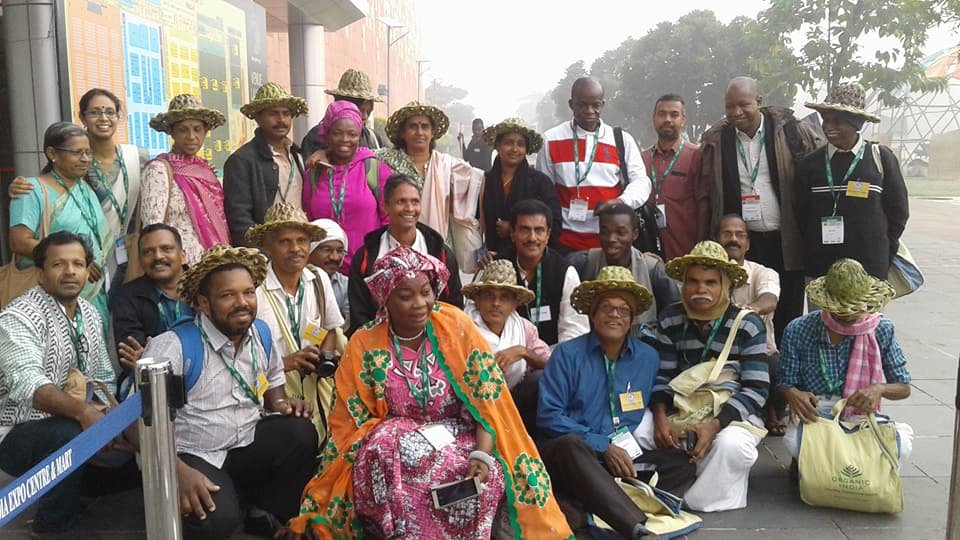
The Organic World Congress (OWC) is the flagship global event of IFOAM – Organics International, the umbrella organization for the organic agriculture movement. Held once every three years in a different host country, the OWC brings together organic farmers, producers, researchers, policymakers, and advocates to share knowledge, showcase innovation, and set direction for the global organic sector. Hosted alongside the congress is the IFOAM General Assembly, where members vote on governance matters — including the selection of the next host country.
The event goes back to 1977, making it one of the longest-running international gatherings dedicated to organic agriculture. Each edition typically includes a pre-conference program, the main congress sessions (organized around thematic tracks such as farming practices, science, market development, and policy), an organic exhibition, and side events, with the General Assembly closing out the week.
OWC (2027)

Negros Occidental, Philippines
22nd IFOAM OWC 2027: Organic Regenerates — opening export markets and scaling tropical organic practices.
Joining forces with like minded individuals and organizations enables IFOAM – Organics International to implement projects to develop organic agriculture on the ground, build the capacities of leaders, and advocate for truly sustainable agriculture and food systems.
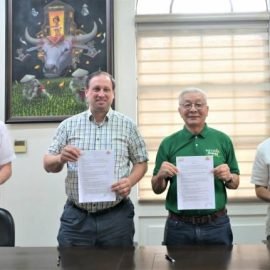
Landmark bi-provincial commitment to convert agricultural land to organic farming.
Enacted Provincial Ordinance No. 07 (2007) banning GMO entry, testing, and cultivation.
Institutionalizing the Participatory Guarantee System (PGS) under RA 11511 to lower certification costs for smallholder farmers.
Focused sessions on shared organic principles and regional case studies.
Thematic parallel sessions covering organic farming practice, scientific research, market access, and policy innovation.
A showcase of certified organic producers, bio-inputs, and regional innovations.
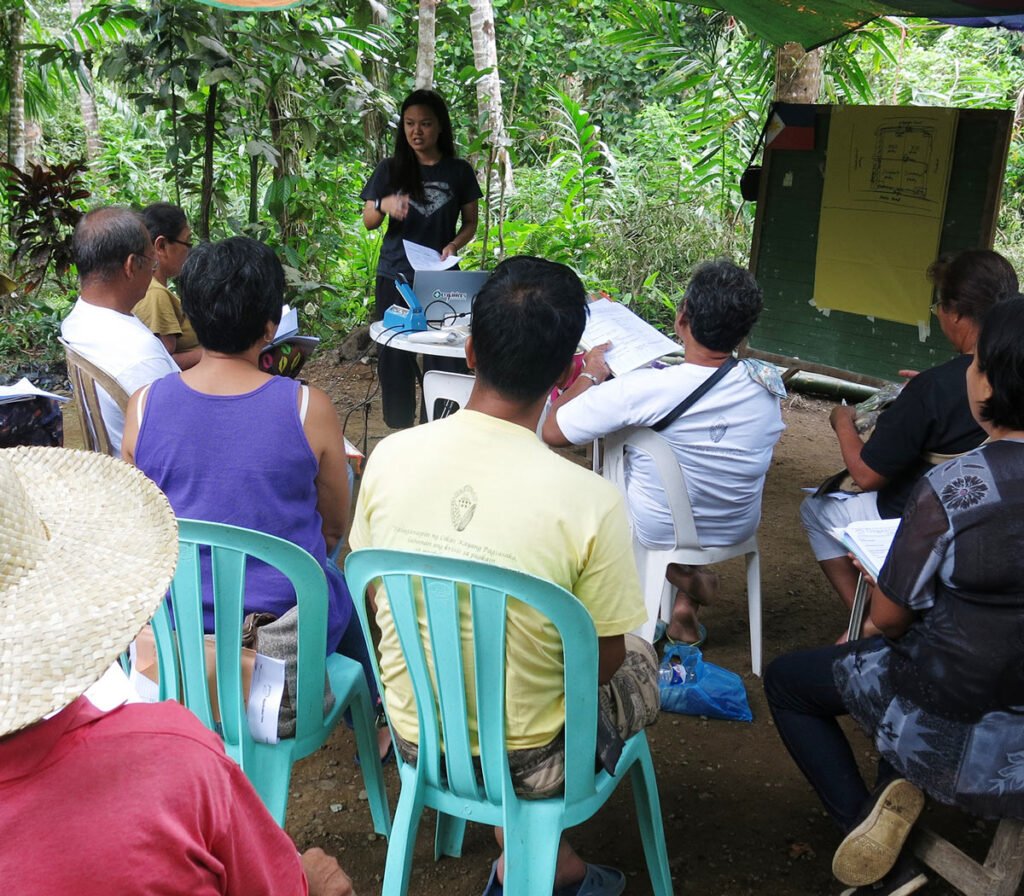
On-the-ground learning visits across Philippine organic farming villages, bio-input production facilities, and PGS cooperatives co-guided by DA-NOAP.


Delegates, researchers, trade buyers, sponsors and global advocates attending the 22nd OWC are invited to connect with our organizers to explore trade partnerships, collaborative research, and policy exchange.
For general inquiries, sponsorship packages and more
![]() |
![]() |
![]() |